
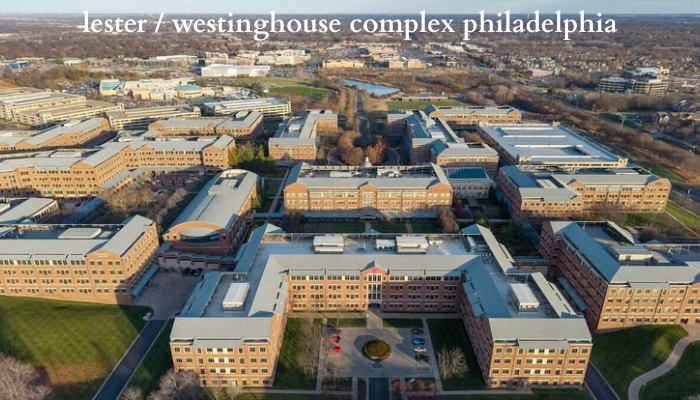

When most people think about lester / westinghouse complex philadelphia, they often picture steel mills and textile factories. However, the Lester Westinghouse complex occupies a unique and vital position in the city’s manufacturing narrative. Located in Northeast Philadelphia, this massive facility emerged from a merger of two influential companies that brought together generations of innovation, engineering excellence, and American craftsmanship.
The complex represents far more than just a collection of buildings and machinery. It embodies the ingenuity of thousands of workers, the vision of brilliant engineers, and the economic engine that provided stable employment to generations of Philadelphia families. From its inception through its peak years of production, the facility became synonymous with quality electrical equipment and advanced manufacturing techniques that influenced industries worldwide.
The Merger That Created an Industrial Giant
The story of the Lester Westinghouse complex cannot be told without understanding the companies that formed it. Lester Electric Manufacturing Company and Westinghouse Electric represented two of the most respected names in electrical innovation. When these companies merged their operations in Philadelphia, they created a powerhouse that would dominate markets for decades.
This merger was particularly strategic because both companies shared a commitment to research and development. The Philadelphia location became a hub where electrical engineers collaborated on breakthrough innovations. The facility housed laboratories, testing equipment, and production spaces that allowed companies to move seamlessly from concept to large-scale manufacturing. This integration of research and production made the complex exceptionally efficient and innovative.
Manufacturing Excellence and Product Development
The Lester Westinghouse complex became famous for manufacturing an extraordinary range of electrical products. The facility produced electric motors, generators, transformers, and control systems that found their way into factories, railways, power plants, and eventually residential installations across North America. Each product represented the culmination of careful engineering and rigorous quality control.
The engineering teams at the complex continually pushed boundaries in electrical technology. They developed improved insulation materials, more efficient motor designs, and advanced control systems that became industry standards. Patents generated at the Philadelphia facility contributed significantly to Westinghouse’s intellectual property portfolio. Many innovations developed here were subsequently adopted throughout the electrical manufacturing industry, demonstrating the facility’s influence on technological progress.
The Wartime Contributions and Strategic Importance
During World War II, the Lester Westinghouse complex became critically important to the American war effort. The facility shifted substantial portions of its production capacity to manufacturing components for military applications. This transformation was neither simple nor quick. The company had to redesign production processes, retrain workers, and implement security measures to protect classified military work.
Military contracts brought significant resources to the facility, allowing continued investment in infrastructure and equipment modernization. The wartime experience also demonstrated the complex’s capability to adapt to changing production demands. This flexibility and resilience became hallmarks of the facility’s reputation. When the war ended and production returned to civilian applications, the complex retained the advanced capabilities and disciplined processes developed during wartime.
Employment and Community Impact
The Lester Westinghouse complex served as an economic anchor for Northeast Philadelphia for most of the twentieth century. At its peak employment, the facility employed thousands of workers, many of whom spent entire careers at the plant. These weren’t just jobs; they were gateways to middle-class stability and prosperity for countless Philadelphia families.
The economic impact extended far beyond direct employment. Thousands of supplier businesses, transportation companies, and service providers depended on the complex’s operations. Local restaurants served workers during lunch breaks, local retailers sold supplies and equipment, and entire neighborhoods developed around the plant. The complex shaped the character and economy of Northeast Philadelphia for generations.
Technological Evolution and Modernization
Throughout its operational history, the Lester Westinghouse complex continued modernizing production capabilities. What distinguished the facility was management’s recognition that innovation couldn’t stop at the design stage. The company invested continuously in manufacturing technology, automation equipment, and worker training programs.
The engineering culture at the complex remained strong throughout these transitions. The facility continued attracting top engineering talent from universities across the country. These engineers collaborated with production specialists to ensure that new designs could be manufactured efficiently at scale. This constant conversation between engineering and manufacturing made the complex more competitive than facilities where these functions operated separately.
Decline and the End of an Era
Like many manufacturing facilities in industrial America, the Lester Westinghouse complex eventually faced serious challenges. Globalization, competition from manufacturers in countries with lower labor costs, and shifting market demands for electrical equipment gradually reduced the facility’s market share and employment levels. The complex that once employed thousands of workers saw its workforce gradually decline throughout the latter decades of the twentieth century.
Eventually, Westinghouse Electric itself underwent major restructuring. The company divested operations and refocused its business strategy. The Philadelphia complex, while still producing quality equipment, no longer represented the crown jewel of the corporate portfolio. Employment continued declining, and by the early years of the twenty-first century, the facility’s operations had been significantly reduced.
Legacy and Historical Significance
Today, the Lester Westinghouse complex remains a testament to Philadelphia’s industrial heritage, even as its original mission has transformed. The buildings and equipment that once represented cutting-edge manufacturing technology now serve as reminders of an era when American manufacturing companies led the world in innovation and quality.
The complex’s legacy extends beyond its material contributions to American electrical infrastructure. The facility developed management practices, worker training programs, and manufacturing methodologies that influenced industrial practices throughout the country. The commitment to quality and continuous improvement that characterized operations at the complex contributed to American manufacturing’s reputation for excellence that persisted through much of the twentieth century.
Read Also: Lester / Westinghouse Complex Philadelphia: History & Legacy